

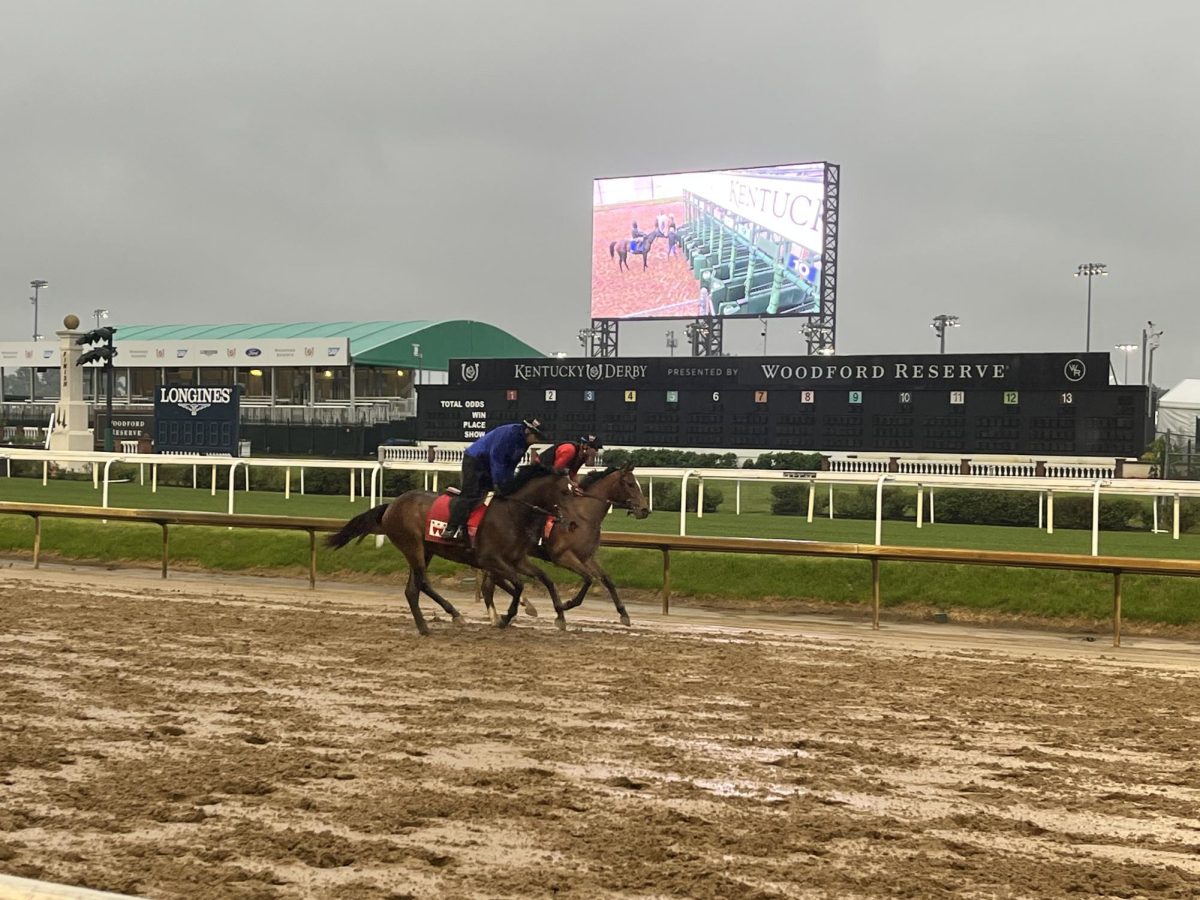

A single horse race can generate more money in a weekend than most cities see in a month, yet the sport that creates that wealth is quietly losing its grip on the economy it helped build.
Spending part of my childhood in Lexington, Kentucky, I was fascinated by horses. One of my earliest memories is going to the backside track kitchen at Keeneland Race Track when I was about five years old, where I would sit and watch everything happening around me. At the time, I was drawn to the jockeys and thought they were the center of the horse racing world.

Even in strong horse racing cities like Louisville and Lexington, the economic role of horse racing is changing. The sport still brings in major money during big events, but its day-to-day economic impact is weaker than it used to be.
Much of the gambling activity and attention has shifted toward online sports betting apps, which are easier and more constant than going to a track. That means racetracks rely more heavily on a few major weekends instead of steady year-round attendance.
Outside of peak events like the Kentucky Derby, the economic energy around racing is smaller, less consistent, and more fragile than in the past.
Legal Changes and Industry Adaptation
Recent legal changes in Kentucky show that horse racing is still economically important, but also under pressure to adapt. On April 14, 2026, Kentucky lawmakers overrode a gubernatorial veto of House Bill 904, bringing major updates to the state’s gambling system.
The law officially authorizes fixed-odds wagering on horse racing, raises the minimum age for sports betting to 21, bans stallion breeding caps, and keeps horse racing wagering allowed at 18.
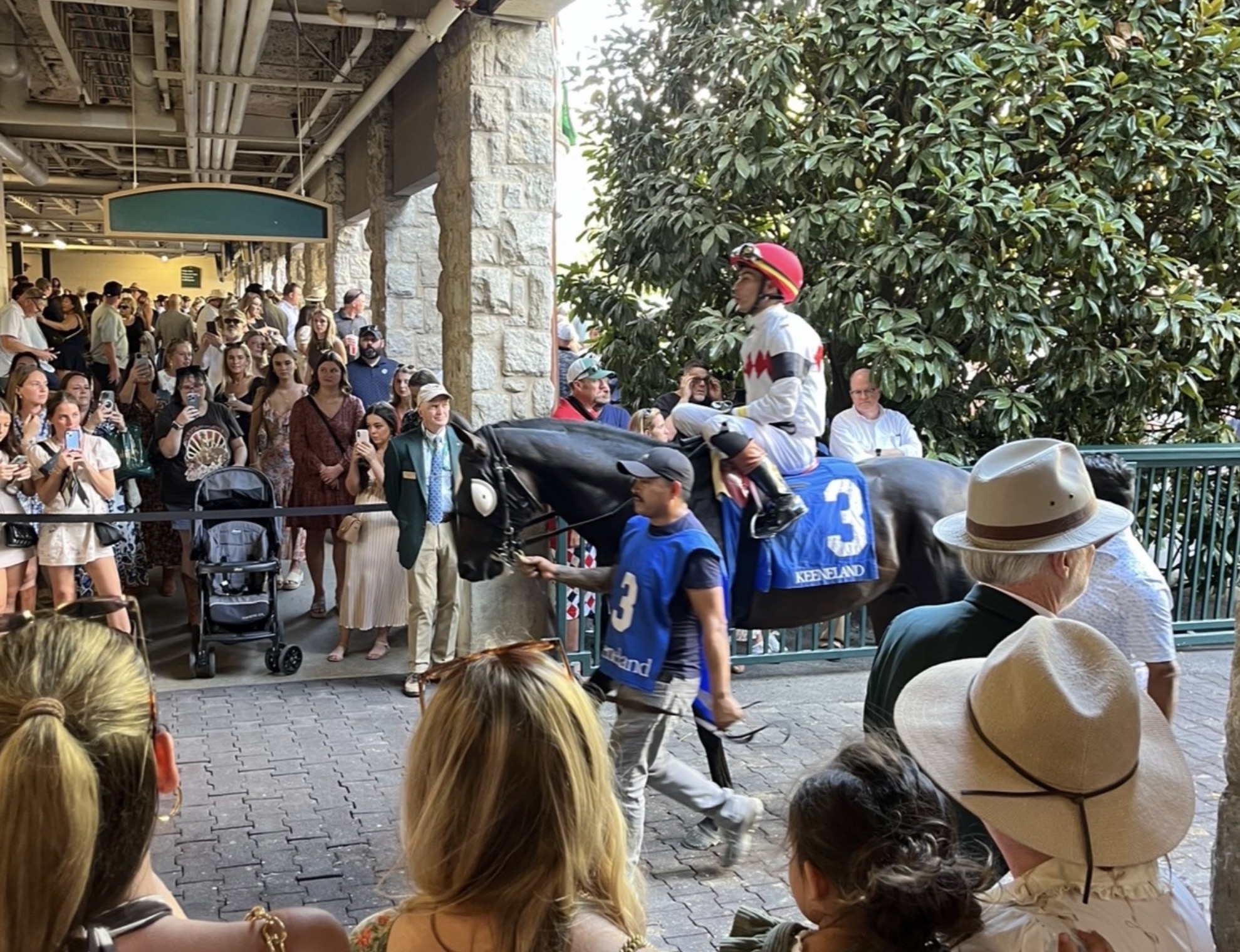
This change matters because it modernizes how horse racing generates money. Fixed-odds wagering works more like modern sports betting, where bettors lock in payouts before the race begins. This makes horse racing easier to understand and more similar to betting systems used in apps for football and basketball. This also means that an 18 year-olds only way to legally bet on a sport in Kentucky is on horses.
Economically, this is an attempt to make horse racing competitive with the rapidly growing sports betting industry, which has pulled many gamblers away from traditional racetrack betting.
The law also helps support the racing industry by strengthening financial flows back into the sport. Revenue from these betting systems helps fund purses, which are the prize pools that keep owners, trainers, and breeders active in the industry. This is especially important in Kentucky, where horse breeding and racing are deeply tied to the local economy in places like Lexington and Louisville.
However, while the law helps modernize the industry, it does not solve the bigger issue of declining attendance and changing entertainment habits. It does not bring back large crowds or restore the dominance horse racing once had over gambling markets. Instead, it represents a shift in strategy. Horse racing is adapting its financial system to survive in a world where most betting and entertainment is moving online.
Changes in Venue Design and the Rising Cost of Attendance
This shift in horse racing venues connects directly to the broader economic changes already affecting the sport. As gambling activity moves toward online platforms and racetracks become more dependent on a few major weekends for revenue, horse racing has become less accessible to the average person due to rising prices and a stronger focus on high-paying customers. Venues like Churchill Downs have increasingly adjusted their business model to maximize profit per customer rather than maximize total attendance.
This strategy also fits into a larger industry trend of consolidation and control. One example is Churchill Downs Incorporated expanding its influence through ownership of multiple major racing properties, including involvement in the broader Triple Crown system.

One of the biggest examples of this shift is the transformation of the infield at Churchill Downs. Traditionally, the infield was the most affordable and open part of Derby weekend. It was known for being packed with college students and younger fans who came for the atmosphere more than luxury. From an economic standpoint, this kind of space helped bring in large crowds, even if individual spending was low. It supported high attendance, which also supported secondary spending on food, drinks, and general event demand.
Over time, however, the infield experience has become more restricted and less central to the event. At the same time, the expansion of premium seating, hospitality areas, and exclusive viewing sections has increased prices across the entire venue. Economically, this reflects a shift in strategy. Instead of relying on mass participation and volume, the Derby has moved toward high-margin customers who spend significantly more per ticket.
This change has made the sport more expensive for the average fan. What was once a relatively accessible entry point into one of Kentucky’s biggest cultural and economic events is now increasingly out of reach. While this increases short-term revenue, it reduces the size and diversity of the crowd, which has long been part of what made horse racing events economically and culturally distinctive.
From an economic perspective, this creates a tradeoff. Higher ticket prices and premium experiences increase revenue per attendee, but fewer casual fans reduce overall accessibility and can weaken long-term engagement with the sport. This is especially important in an industry that is already struggling to compete with digital betting platforms and year-round entertainment options.
For many fans, especially college-aged attendees who once defined the infield culture, the experience is shifting away from tradition and toward exclusivity. I am going to the infield for the Oaks and Derby this year because I have heard it may not exist in the same form much longer, which makes the experience feel less like a stable tradition and more like a moment in a changing economic model.
Conclusion
Overall, horse racing is not disappearing, but it is clearly changing. The sport that once helped build cities like Lexington and shaped everyday life in Kentucky now exists in a world driven by online betting, rising costs, and fewer people attending in person. Major events like the Kentucky Derby still generate massive economic impact, but the consistent, everyday presence of the industry has weakened.
What is emerging is a version of horse racing that is more efficient financially but less accessible to the average person. The shift toward premium experiences and digital wagering may help sustain the sport, but it also changes who gets to be part of it. In adapting to survive, horse racing is moving away from the broad, community-driven experience that once made it so central to Kentucky life.
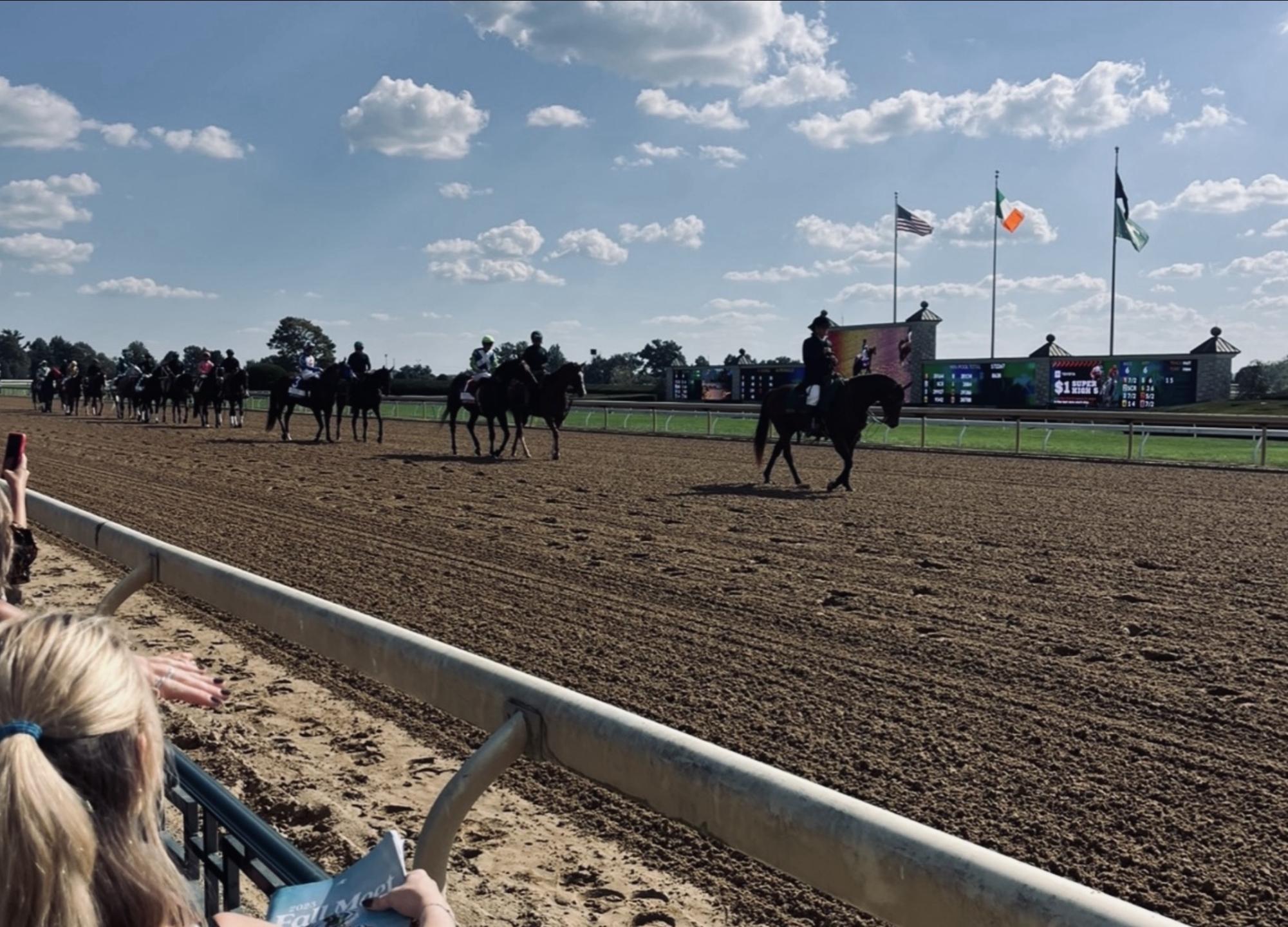
For me, seeing these changes while growing up around horse racing makes it clear that the sport is not just evolving economically, but also redefining what it means to be part of it.