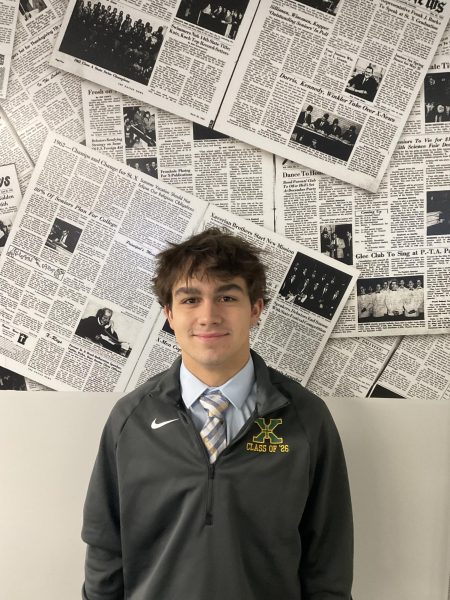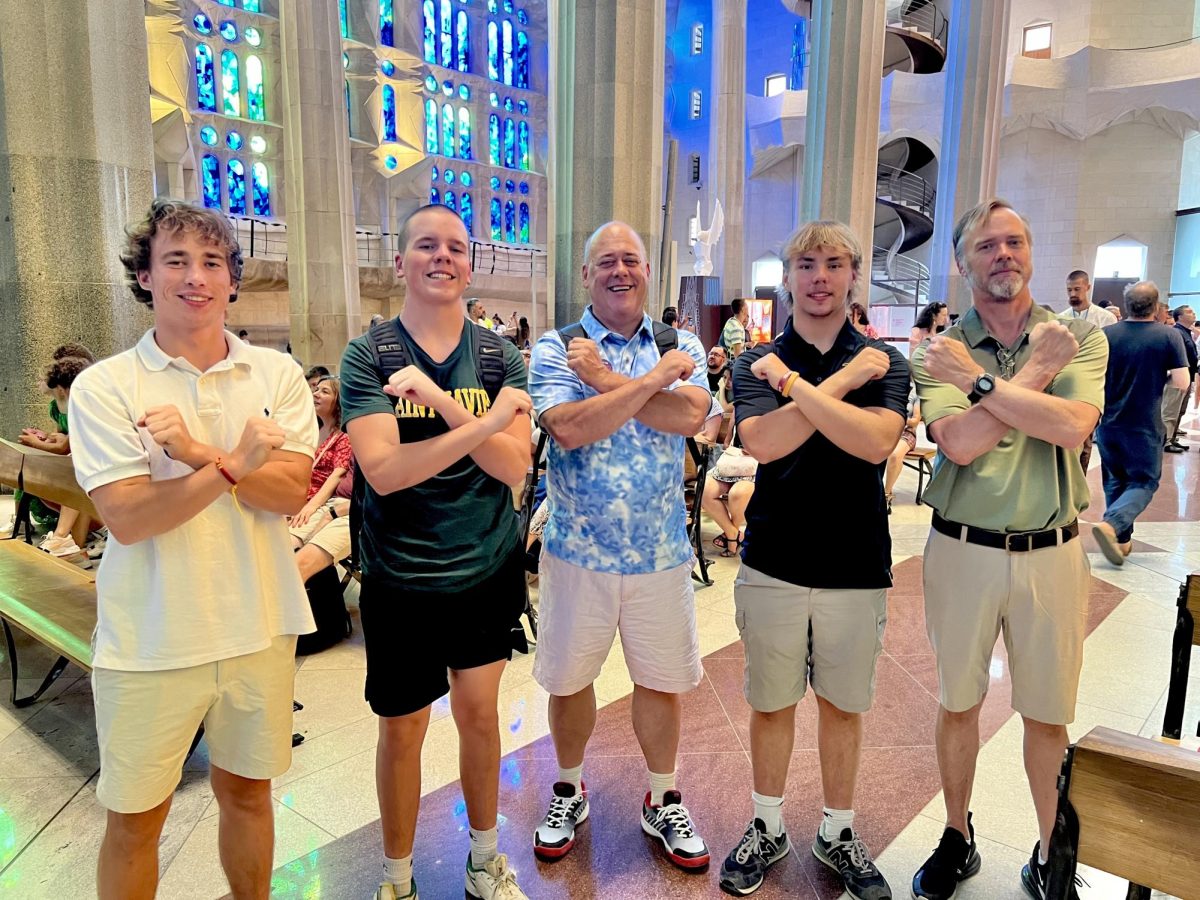



Growing up, on the way to school with my dad, he always had 93.9 The Deener Show on in the morning. We listened to it every day, and that continued even after I started driving myself. Next year, I’m going off to college, so I won’t be in a car every morning and won’t be able to listen to the show as often. Recently, I got the chance to interview and meet Drew Deener himself.
Drew Deener is the Vice President of ESPN Louisville and the host of The Deener Show on 93.9, which airs weekday mornings from 7:00 a.m. to 10:00 a.m. He got his start in Louisville radio around 2008. Before that, he had been working in Lexington television but wanted out.
“TV’s a terrible, horrible lifestyle,” he said.
An old connection from his Lexington days, Kyle Moats, called him about starting a morning show on 790 with John L. Smith. Deener took the opportunity and never looked back.
When I asked him what it means to have the number one morning show in Louisville for over a decade, he wasn’t too focused on ratings.
“Ratings are nerd fights,” he said. “Your ratings are if your advertiser’s phone rings.”
He has had a lot of guests over the years. One of the most memorable moments happened during Derby Week when he was interviewing Richard Mandella, who was training that year’s favorite, and Bob Baffert suddenly walked in and joined the interview. The three of them were all talking at once on the backside of Churchill Downs. The only problem was that the recording didn’t save.
On the other end of the spectrum, he had Rudy, as in the guy from the movie, on the show, and it was a letdown. He spent the whole interview pitching a product.
He also mentioned the time Jeff Brohm turned down the Louisville job the first time and later came on the show and teared up while talking about his dad. That moment stuck with him.
I asked him how local radio competes with podcasts and streaming. He has heard that question before.
“For 50 years, everybody’s been trying to kill radio,” he said.
FM was supposed to kill AM. Satellite radio was supposed to kill FM. Now it is podcasts. He believes radio survives because of the personal connection. People are alone in their cars, and they keep coming back to the same show. That bond is hard to replicate.
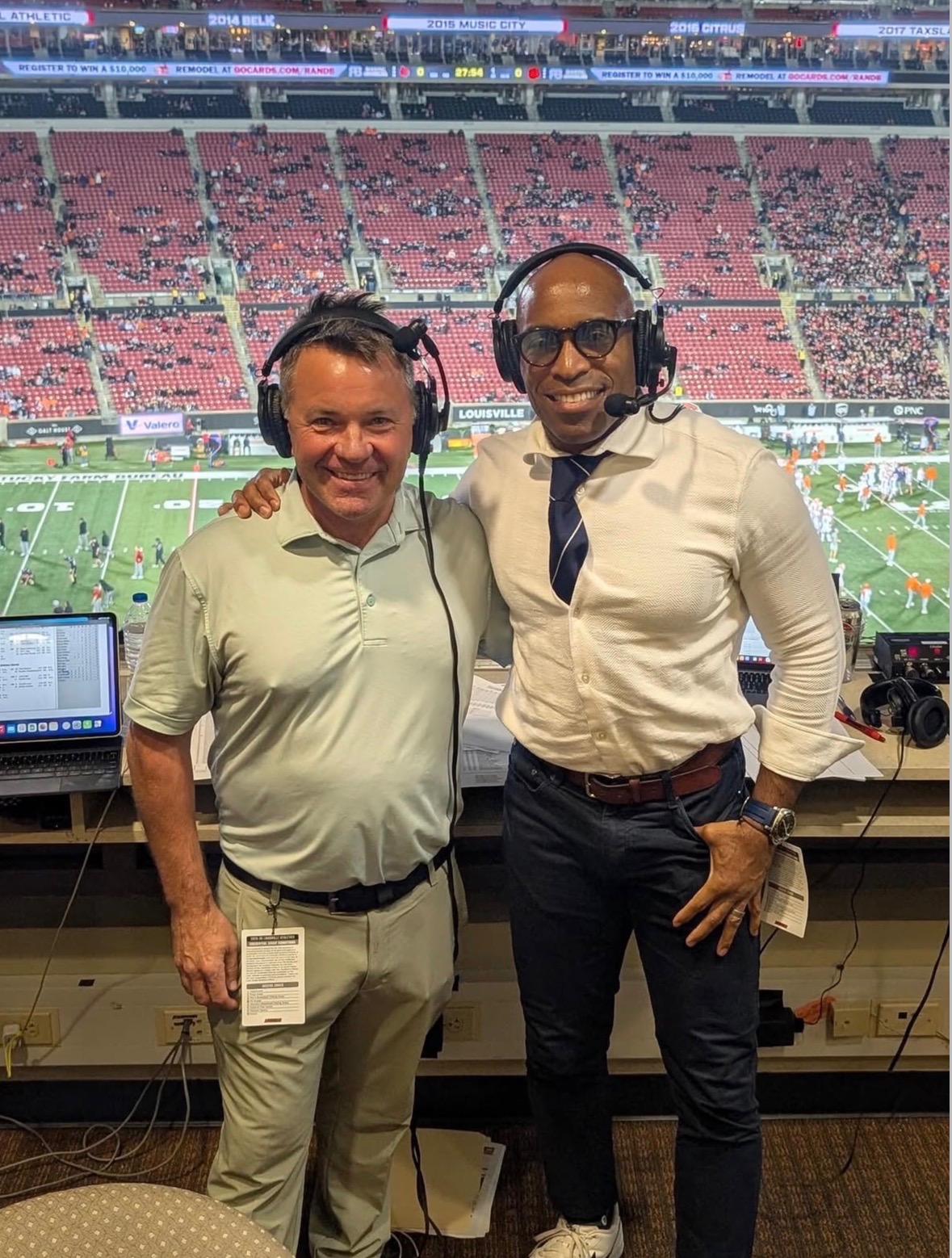
As Vice President, his job does not stop when the mic goes off at 10:00. He spends most of his day working on sales, bringing in new advertisers, keeping existing ones happy, and making sure the station hits its revenue goals.
“The easiest portion of my job is 7:00 to 10:00,” he said. “The real job is after that.”
When I asked what he wants his legacy to be, he kept it simple. He wants the people who invested in the show to have made money from it, and he wants to keep doing what he loves for as long as he can.