

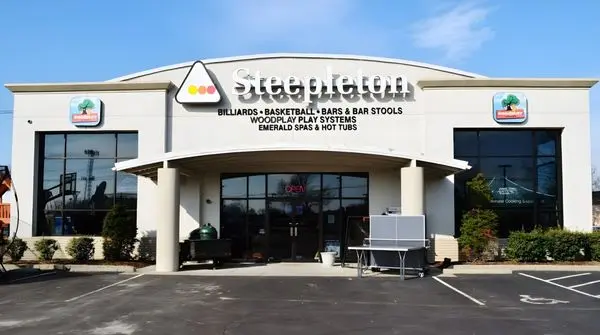

For Jim Graven, working at Steepleton was not supposed to last. Right out of high school, he planned on becoming a firefighter or police officer. Instead, he took a job at Steepleton, not knowing it would turn into his career.
Starting in the Factory
He started in the slate room, cutting heavy pieces of stone used to make pool tables. The work was hard and everything was done by hand.
“We could do about eight slate sets a day,” Jim said.
Back then, tables were built using solid wood like oak and walnut, and materials that are rarely used today. Glue made from horsehide was even used to hold parts together. Now, most of the process is done by machines, and materials come from overseas instead of places like Pennsylvania.
A Turning Point
Graven’s career took a turn when a salesman got sick and he was asked to fill in. Even though he had no experience, he took the opportunity.
“I just talked to the customer,” Jim said.
He made the sale, and that moment changed everything. Graven moved into sales full time and began traveling to different areas, building relationships and selling pool tables. Over time, he proved himself as a strong salesman.
Taking the Risk
After years of working his way up, Graven began buying ownership shares of the company from the original owners. Eventually, he became the sole owner.
“It was a risk,” he said. “But I believed in myself.”
Growing the Business
As owner, Graven realized the business needed to expand. Pool tables were mostly sold in the fall and winter, which made sales inconsistent.
To solve this, he added new products like basketball goals, which later led to swing sets and trampolines. Over time, the company continued to grow, adding hot tubs, patio furniture, saunas, and outdoor kitchens.
Adapting
One of the biggest challenges came from overseas competition. As manufacturing moved out of the United States, it became harder to compete.
Because of this, Steepleton stopped making pool tables and focused completely on retail. Even during difficult times, like high interest rates in the late 1970s and early 1980s and the economic downturn in the early 2000s, the business continued to survive.
A Family Legacy
Now, the business is being passed down to the next generation, including Gunnar Graven and Allison Graven.
“We’re proud of what he built,” they said. “And we want to keep it going.”
They plan to continue growing the company by investing in technology and expanding into new areas, including a potential location in Southern Indiana.
Looking Ahead
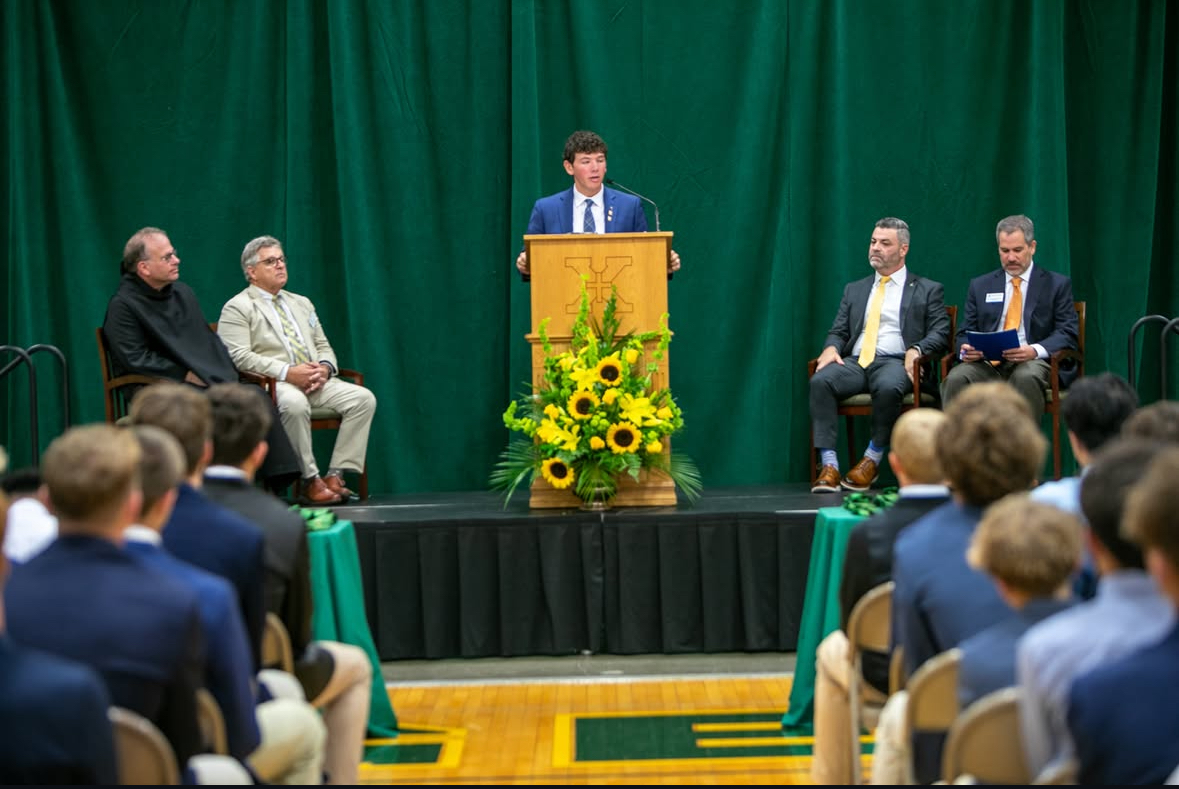
Even as the business changes, one thing remains the same, its focus on people. The company continues to give back to the community through organizations like local police and fire departments, St. Matthews Little League, and St. Xavier High School.
From a job in a factory to owning a company, Jim’s story shows how one opportunity can completely change your future and how hard work and belief in yourself can turn a simple job into a lasting legacy.